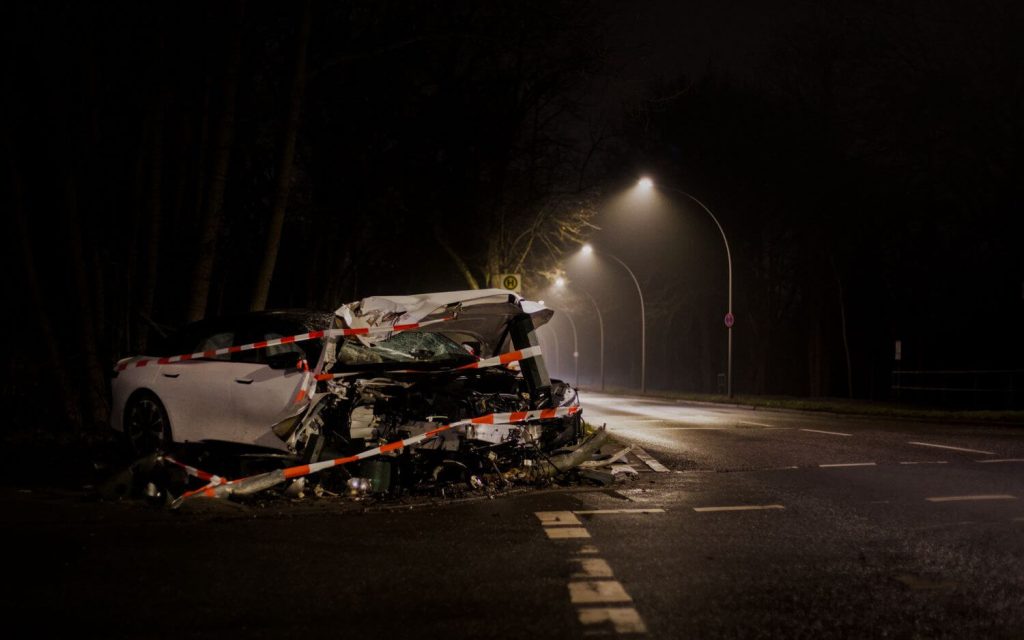
After a car accident, your priorities are safety and calm decision-making: check for injuries, get out of danger from traffic, call 911 when appropriate, and document what happened while you wait for help. If your vehicle won’t move, you’re stranded on a busy road, or you need assistance relocating the car safely, a 24/7 roadside team can reduce risk and stress. In the Houston area, Bliss Towing Services can be reached at 281-849-9991 if you need roadside assistance after an accident.
Even a low-speed collision can cause injuries that don’t feel obvious in the first minute. Do a quick self-check, then check on passengers: head or neck pain, shortness of breath, chest pain, confusion, tingling, severe headache, or bleeding that won’t stop are all reasons to get medical help immediately.
Call 911 right away if:
If everyone seems uninjured, take a breath and slow down. Shock and adrenaline can make people shaky, nauseated, or unusually emotional. Sitting still, keeping warm, sipping water if you have it, and focusing on steady breathing can help you think clearly while you handle the next steps.
The most common danger after a crash is getting hit by another car. Hazard lights should go on immediately. After that, whether you move the vehicle depends on where you are and how safe it is to relocate.
If the vehicle can move and it’s safe, getting out of a travel lane is often the best move. A nearby shoulder, parking lot, or side street is usually safer than staying where you were hit. If the car won’t move, don’t risk pushing it into traffic.
Where you wait matters. On high-speed roads, waiting inside the car can be dangerous if you’re exposed to traffic. If you can safely exit and get well away from the roadway, do so. Many people are safest behind a guardrail, up an embankment, or on a sidewalk away from turning vehicles. If you stay in the car because exiting would put you in immediate danger, keep your seatbelt on and stay alert.
If you have warning triangles, placing them behind your vehicle can help approaching drivers see you sooner. Avoid standing in the lane to set them out. If conditions are dark or visibility is low, your personal safety comes first.
Highways and fast-moving streets are where otherwise manageable accidents become much worse. Your goal is to be seen and to avoid stepping into traffic while distracted.
On freeways, stay aware of what’s happening behind you. Drivers may be rubbernecking or changing lanes abruptly. If you’re waiting for help and you can’t get far from traffic, position yourself so you’re not between vehicles and oncoming cars.
Bad weather adds risk quickly. Rain reduces braking, and headlights can create glare on wet pavement. In fog, other drivers may not realize there’s a stopped vehicle until the last second. Keep hazard lights on, reduce your time outside the vehicle, and avoid standing near the shoulder line.
If your vehicle is disabled and you’re stopped in a lane or partly blocking traffic, that’s a strong reason to call 911. Police or highway services can help manage the scene, especially if you’re near an intersection, a bridge, or a curve.
You can handle the exchange of information efficiently without getting pulled into an argument. Keep it factual, polite, and brief.
Typically useful information includes:
It helps to take a photo of the other driver’s insurance card and plate (with their permission), and you can offer the same.
Avoid statements like “It was my fault” or “I didn’t see you.” Fault can be complex, and emotions run high immediately after a collision. Stick to what happened in simple terms, and let insurance adjusters and officers handle conclusions.
If the other driver is angry, threatening, or acting unpredictably, create distance. Stay in your vehicle with doors locked if needed and call 911. Your job is to stay safe, not to win a debate on the roadside.
A few minutes of documentation can prevent a lot of confusion later. Use your phone and capture the scene before vehicles are moved, if it’s safe to do so. If you’ve already moved out of traffic, you can still document positions and damage.
Photos that tend to matter:
Write down details while they’re fresh:
If there are witnesses, ask for their name and contact information. People are often willing to help, but they may leave quickly once traffic clears.
Not every fender bender requires a police report, but it’s a good idea whenever the situation is unclear, unsafe, or disputed. If there’s an injury, suspected impairment, an uncooperative driver, or significant vehicle damage, getting law enforcement involved is often worth the time.
While waiting for an officer:
If an officer responds, ask how to obtain the report and what the case number is. That single detail can save you time later when you’re dealing with insurance or repairs.
A car can look “mostly fine” and still be unsafe to drive. If any of these are true, treat the vehicle as not roadworthy:
If you’re in a safe location, waiting for help is often the smartest choice. Trying to “limp it home” can cause further damage, create a hazard for other drivers, and complicate an insurance claim.
This is also where people get stuck deciding between roadside help and a tow. Roadside assistance may be enough if you only need help with a minor issue after the incident, or you need help relocating the vehicle to a safer spot. Towing is usually appropriate when the car won’t drive safely or can’t be started. If you’re unsure, describing the symptoms and damage to a roadside provider can help you choose the safer option.
Once the immediate safety concerns are handled, think like a record keeper. Your goal is to preserve accurate information and avoid decisions made under pressure.
Be cautious of anyone who shows up uninvited and pushes you to sign documents or move the car to a specific location “right now.” If you feel rushed, slow it down. You can make better decisions once you’re safe, calm, and able to call your insurer.
Later that day or the next morning, it’s common to notice soreness, stiffness, or headaches that weren’t obvious right after the crash. If symptoms show up, get medical advice.
It’s also worth restocking anything you used from your car kit and making a few small upgrades so you’re better prepared next time:
Those items aren’t just for major emergencies. They make routine breakdowns and minor accidents less stressful and safer to manage.
After an accident, focus on injuries first, then reduce risk from traffic, document the scene, and avoid driving a vehicle that may be unsafe. When you’re stuck waiting on the roadside or the car won’t move, getting professional help can keep the situation from becoming more dangerous. If you need post-accident roadside assistance in the Houston area, you can contact Bliss Towing Services at 281-849-9991 to help you get to a safer next step.