Sarah noticed something alarming during her recent oil change at 18,000 miles. Her front tires were nearly bald while the rear ones looked almost new. Living in Houston and commuting daily on I-45, she had no idea that the city’s brutal heat and heavy traffic could destroy tires so unevenly.
This scenario happens to thousands of Houston drivers every year. At Bliss Towing Services, we see the consequences daily when drivers call us at 281-849-9991 for mobile flat tire services that could have been prevented.
This guide will show you how tire rotation Houston schedules differ from other cities, why our climate demands more frequent attention, and how proper rotation saves you money while preventing dangerous blowouts.
Houston’s driving environment is uniquely harsh on tires, creating wear patterns that develop faster and more severely than in moderate climates.
Summer temperatures regularly exceed 100 degrees, causing tire rubber to soften and wear more quickly. The constant transition from air-conditioned parking garages to scorching pavement creates expansion and contraction cycles that stress tire compounds beyond normal limits.
Asphalt temperatures can reach 150 degrees or higher during peak summer months. This extreme heat causes accelerated wear on contact patches and can lead to tread separation if tires aren’t properly maintained and rotated regularly.
Houston’s notorious traffic creates unique challenges for tire longevity. The constant stop-and-go conditions on major highways like I-45, US-59, and Loop 610 put excessive stress on front tires through repeated braking.
Highway speeds combined with sustained heat buildup create additional wear factors. Extended periods at 70+ mph in extreme temperatures cause tire compounds to break down faster than normal driving conditions would suggest.
Construction zones seem permanent fixtures on Houston highways, creating uneven surfaces that cause irregular tire wear patterns. Frequent lane changes and aggressive merging put additional stress on tire sidewalls and tread edges.
Potholes and road imperfections can throw wheel alignment off, leading to rapid uneven wear if not corrected quickly. These alignment issues compound the effects of heat and traffic, making regular rotation even more critical for Houston drivers.
Tire rotation involves moving tires to different positions on your vehicle to ensure even wear across all four tires. This simple maintenance procedure becomes crucial in Houston’s demanding driving environment.
Proper rotation distributes wear evenly across all four tires, maximizing their lifespan despite harsh conditions. Front tires typically wear faster due to steering, braking, and acceleration forces, while rear tires often maintain better tread depth.
Even wear patterns maintain consistent traction and handling characteristics, which becomes especially important during sudden summer thunderstorms when roads become slippery. Consistent tread depth across all tires also helps maintain proper vehicle balance and reduces stress on suspension components.
Front-wheel drive vehicles benefit from a forward cross pattern, moving front tires straight back and crossing rear tires to the front. This pattern addresses the heavy wear that front tires experience from steering, braking, and acceleration duties.
Rear-wheel drive and all-wheel drive vehicles use different patterns based on their power distribution. Directional tires with specific rotation directions require side-to-side movement only, while asymmetrical tires need careful attention to inside and outside positioning.
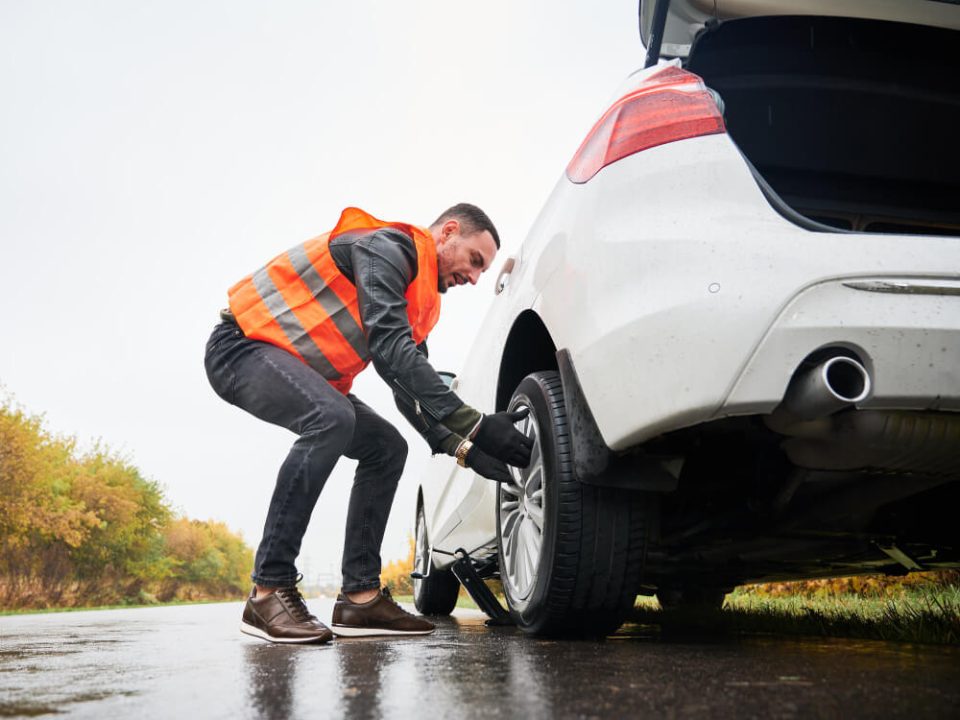
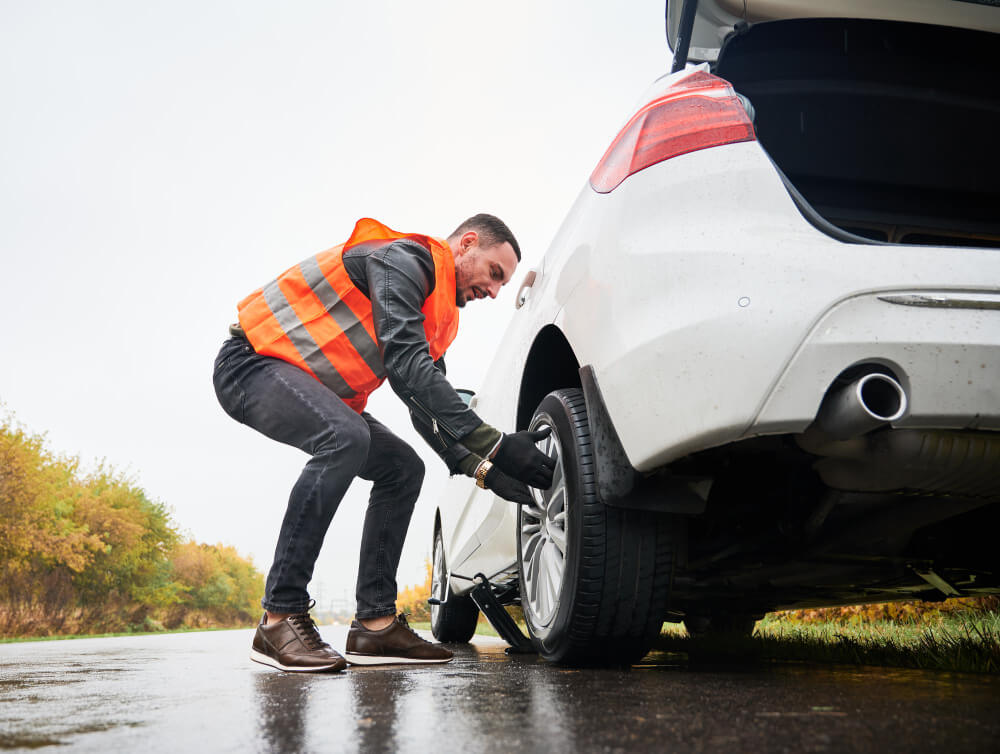
Professional tire rotation requires proper lifting equipment, torque wrenches, and safety tools. Working on hot Houston pavement presents additional challenges that make professional service attractive for many drivers.
DIY rotation requires jack stands rated for your vehicle’s weight, a reliable floor jack, and proper wheel chocks. The physical demands of tire rotation in Houston’s heat often make professional service worth the cost for convenience and safety.
Standard manufacturer recommendations don’t account for Houston’s extreme conditions, making adjusted schedules necessary for maximum tire life.
Most manufacturers suggest rotation every 5,000 to 7,500 miles under normal conditions. Houston’s severe driving environment justifies more frequent rotation, typically every 3,000 to 5,000 miles depending on your specific driving patterns.
High-mileage commuters who spend hours daily on Houston highways should consider the shorter interval. City drivers dealing with frequent stops and parking lot heat exposure also benefit from more frequent rotation schedules.
Pre-summer preparation becomes critical in Houston, where temperatures can spike suddenly in late spring. Rotating tires before peak heat season ensures even wear distribution during the most demanding months.
Post-summer inspection and rotation help assess heat damage and prepare for potential severe weather. Hurricane season preparation includes ensuring all tires have adequate and even tread depth for emergency evacuation situations.
Visible differences in tread depth between front and rear tires signal the need for immediate rotation. If you can see significant wear pattern differences, you’re already behind on rotation schedule.
Vehicle pulling to one side or steering wheel vibration often indicates uneven tire wear that rotation might help address. However, these symptoms can also signal alignment problems that rotation alone won’t fix.
Working with tires in Houston’s climate presents unique obstacles that affect both timing and methods.
Heat-related complications make midday tire work dangerous and difficult. Early morning or evening rotation work protects both you and your equipment from extreme temperatures that can cause burns and tool malfunction.
Many drivers avoid tire maintenance during summer months when it’s most needed. Postponing rotation during peak heat season allows damage to accelerate when prevention is most critical.
Rotating damaged tires spreads problems rather than solving them. Always inspect tires for cuts, bulges, or embedded objects before rotation, as moving damaged tires can create safety hazards.
Garage work environments provide climate control that makes tire rotation safer and more comfortable. Professional shops have specialized equipment designed to handle hot conditions that home mechanics typically lack.
Time and convenience factors become significant when considering Houston’s heat and humidity. Professional rotation often includes comprehensive tire inspection that can identify problems before they become emergencies.
Sometimes tire problems go beyond what rotation can address, requiring immediate professional attention or replacement.
Sidewall damage from potholes, cuts from road debris, or bulges from impact damage can’t be fixed through rotation. These conditions require immediate tire replacement to prevent dangerous blowouts.
Persistent uneven wear despite regular rotation often indicates alignment, suspension, or wheel balance problems. These underlying issues must be addressed before rotation can be effective.
Rapid wear on specific tire positions suggests mechanical problems that rotation won’t solve. Professional diagnosis can identify root causes and prevent continued tire damage.
Professional tire services offer climate-controlled environments and specialized equipment that make rotation safer and more thorough than most DIY attempts.
Comprehensive inspections during professional rotation often identify problems that drivers miss during quick DIY changes. Professional technicians are trained to spot early signs of tire damage, alignment issues, and other problems.
When cost considerations make DIY rotation attractive, proper equipment and safety precautions become essential. Working in Houston heat requires adequate hydration, shade, and appropriate timing to prevent heat-related injuries.
Proper rotation prevents many roadside emergencies by maintaining even wear and identifying problems early. Well-maintained tires are less likely to fail during critical moments like severe weather or emergency evacuations.
Regular rotation schedules should include spare tire inspection and rotation when possible. Many drivers forget about spare tire maintenance until they need it most, often discovering flat or degraded emergency tires during roadside situations.
Pressure monitoring becomes critical in extreme heat, as tire pressure can fluctuate significantly with temperature changes. Check pressure monthly and before long trips, adjusting for temperature differences between early morning and midday readings.
Regular visual inspections help identify problems between rotation intervals. Look for cuts, bulges, embedded objects, and unusual wear patterns that might require immediate attention.
Tire rotation Houston schedules must account for our city’s extreme heat, heavy traffic, and challenging road conditions. Regular rotation every 3,000 to 5,000 miles prevents uneven wear and extends tire life significantly in our demanding environment.
At Bliss Towing Services, we understand how proper maintenance prevents roadside emergencies, but we’re here when unexpected tire problems occur. Call us at 281-849-9991 for professional emergency tire assistance throughout the Houston area.