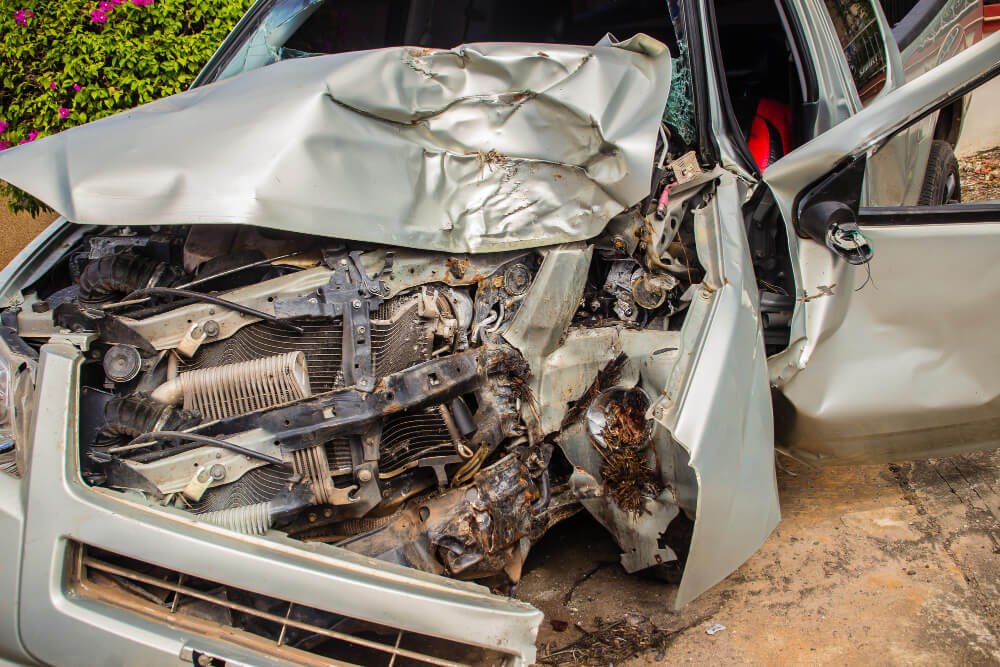
That old car sitting in your driveway might be worth more than you think. Many car owners assume their non-running vehicle has little value, but even damaged cars contain valuable materials and components that buyers actively seek.
Learning how to get the most money for your junk car can put extra dollars in your pocket with proper preparation and research. At Bliss Towing Services, we help Houston area residents navigate the junk car selling process. You can reach us at 281-849-9991 when you need professional removal services.
This guide covers everything you need to maximize your junk car’s worth, from understanding value factors to negotiating the best price.
Your junk car’s value depends on several factors beyond whether it runs. Scrap metal prices fluctuate based on market conditions, and heavier vehicles typically bring higher payouts because they contain more recyclable steel and aluminum.
Vehicle age and model also matter significantly. Popular models have higher demand for parts, even when the car no longer runs. A 2010 Honda Civic with engine problems will likely fetch more money than a 1995 Plymouth because Honda parts remain in steady demand.
The car’s weight plays a crucial role in determining value. Most junk car buyers pay based on the vehicle’s scrap metal content, typically calculated per ton. Larger vehicles like trucks and SUVs generally bring higher prices than compact cars simply due to their metal content.
Catalytic converters, batteries, and certain engine components retain substantial value even in non-running vehicles. Some buyers specifically seek these high-value parts and will pay premium prices for cars containing them in good condition.
Consider removing high-value components if you have the tools and knowledge to do so safely. Catalytic converters can be worth several hundred dollars depending on the vehicle type. Newer car batteries still hold charge value, and good condition tires might fetch decent prices separately.
However, part removal only makes sense if you can sell these items independently and the extra effort justifies the additional income. Factor in your time, required tools, and local market demand before deciding to strip parts yourself.
Remove all personal belongings, floor mats, and non-metal accessories before getting quotes. Extra weight from non-recyclable materials can reduce your payout since buyers pay for scrap metal content by weight.
Check thoroughly for valuable items you might have forgotten. Look under seats, in glove compartments, and trunk areas for anything worth keeping or selling separately.
Having your car title significantly increases your selling price. Buyers can offer more money when they can legally transfer ownership without complications. If you’ve lost your title, contact your local DMV about replacement procedures before selling.
Some buyers will purchase cars without titles, but they typically offer substantially less money due to the additional paperwork and legal requirements involved.
Scrap metal prices change regularly based on market conditions. Check current pricing online or call local scrap yards to understand what metal is worth per pound in your area. This knowledge helps you evaluate whether quotes reflect fair market value.
Steel prices generally range between $100 to $300 per ton, though prices vary by location and market conditions. Aluminum brings higher prices per pound than steel, so vehicles with more aluminum content may be worth more.
Never accept the first offer you receive. Different buyers have varying overhead costs, profit margins, and market connections that affect their pricing. Getting at least three quotes gives you leverage and helps identify the best deal.
When calling for quotes, provide accurate information about your car’s condition, year, make, model, and any major damage. Honest descriptions prevent disappointing surprises when buyers inspect the vehicle.
Ask specific questions about what each quote includes. Some buyers offer free towing while others charge removal fees. Factor these costs into your comparison since a higher quote with expensive towing might net you less money than a moderate quote with free pickup.
Be wary of quotes that seem unusually high compared to others. Legitimate buyers work within similar profit margins, so dramatically higher offers often indicate bait-and-switch tactics where the actual payment will be lower upon inspection.
Use multiple quotes as negotiating leverage. Let buyers know you’re comparing offers and ask if they can improve their initial quote. Many buyers have some flexibility in their pricing, especially if you can demonstrate competing offers.
Highlight valuable aspects of your vehicle that might increase its worth. Mention if the car has a clean title, valuable parts in good condition, or easy access for pickup. These factors can justify higher offers.
Understand that buyers need to make a profit, so there are limits to negotiation. Reasonable increases of $50 to $150 are more realistic than expecting dramatic price jumps.
Online junk car buying services often provide competitive quotes and handle all paperwork remotely. These companies typically offer convenience in exchange for potentially slightly lower prices than local buyers who have less overhead.
Auto salvage yards might pay more than scrap metal dealers if your car has valuable parts in demand. Salvage yards can recoup costs by selling functional components, allowing them to offer higher prices for suitable vehicles.
Private buyers sometimes seek project cars or parts vehicles. If your car has restoration potential or contains sought-after components, advertising to enthusiasts might bring better returns than selling for scrap.
Rushing to sell without comparing multiple offers costs money. Taking time to research and get several quotes almost always results in higher payouts.
Failing to remove personal items wastes potential value and creates privacy risks. Thoroughly search your vehicle before pickup to avoid losing valuables or sensitive documents.
Not understanding what quoted prices include leads to unpleasant surprises. Always clarify whether quotes include towing, paperwork fees, or other potential charges.
Some situations benefit from professional guidance, especially when dealing with title issues, multiple vehicles, or complex logistics. Experienced buyers understand market values and can often negotiate better deals than individual sellers.
Professional removal services handle all aspects of the transaction, from paperwork to pickup, ensuring you receive fair value without hassle or legal complications.
Getting the most money for your junk car requires preparation, research, and patience. Understanding your vehicle’s true value and comparing multiple offers typically results in significantly higher payouts than accepting the first offer you receive.
Remember that even non-running cars contain valuable materials worth hundreds of dollars. Taking time to prepare properly and negotiate effectively ensures you receive fair compensation for your vehicle.
Bliss Towing Services helps Houston area residents navigate the junk car selling process and maximize their vehicle’s value. When you need professional guidance or removal services, contact us at 281-849-9991 for assistance with getting the best possible return on your junk car.