Most drivers know they should have some kind of emergency kit in their car. They think about it after a close call on the highway, or maybe when a friend gets stranded somewhere inconvenient. Then life picks back up and it never actually happens. Sound familiar?
The truth is, putting together a solid car emergency kit takes less than an hour and costs far less than most people expect. And in a city like Houston, where summer temperatures regularly climb past 95 degrees and heavy freeway traffic means breakdowns happen in particularly stressful spots, being prepared carries real weight. This article covers exactly what belongs in a car emergency kit, which items most drivers forget, how to store everything so it is actually useful when you need it, and when the situation calls for more than a kit can provide. For Houston drivers who need professional roadside assistance at any hour, Bliss Towing Services is available 24 hours a day at 281-849-9991, and we are here for the situations where a kit alone is not enough.
A car emergency kit does not prevent breakdowns. What it does is change the experience of going through one. There is a significant difference between sitting on the side of I-45 with water, visibility gear, and a way to jump your battery versus sitting there with nothing at all.
Roadside emergencies do not discriminate between prepared and unprepared drivers. A tire goes flat, a battery dies, or an engine overheats without any warning or consideration for how convenient the timing is. The drivers who handle these situations calmly are almost always the ones who had something to work with.
For Houston drivers specifically, the combination of long commutes, extreme heat, and unpredictable weather from June through November creates conditions where being without basic supplies is not just inconvenient, it can be a genuine health risk. A basic kit that fits in a small bag or canvas tote covers most of what a driver needs to stay safe for the 20 to 45 minutes it typically takes for help to arrive.
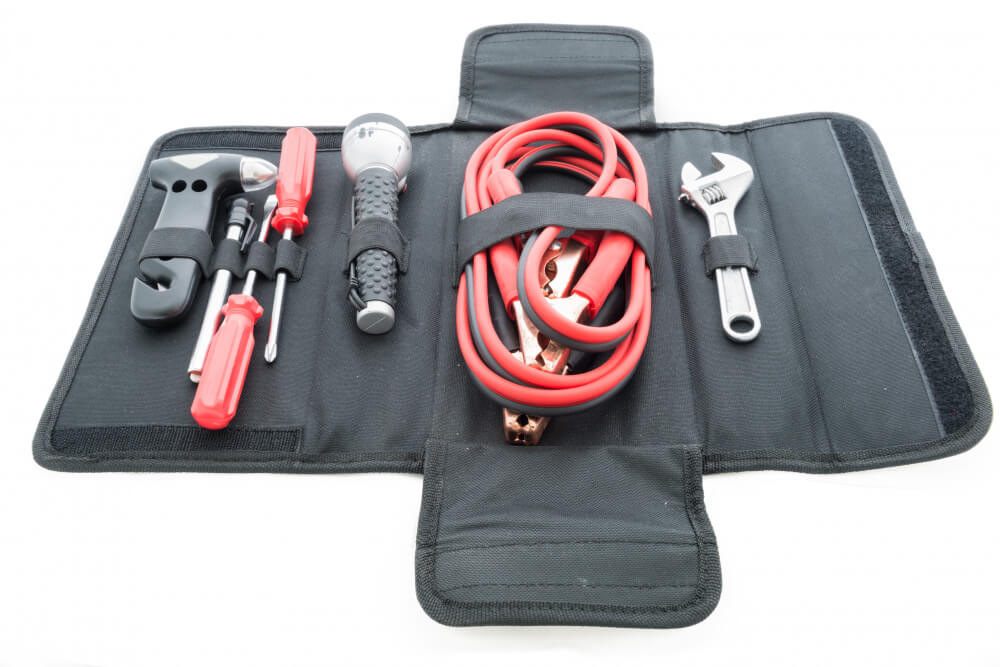
Here is a straightforward breakdown of the core items that belong in every car emergency kit, along with a brief explanation of why each one actually matters.
Beyond the standard list, there are a handful of items that experienced drivers consistently recommend but rarely make it onto generic kit guides. These are the things that make a real difference in specific situations.
A portable power bank is one of the most practical additions to any car emergency kit right now. When your phone battery is at 4 percent and you still need to call for help, navigate to a safe location, or contact someone who is waiting for you, a charged power bank is an immediate solution.
A compact rain poncho is easy to dismiss until you are changing a tire or dealing with a breakdown in the middle of a Houston downpour. A single-use folded poncho takes up almost no space and makes a wet roadside situation significantly more manageable.
A pair of basic work gloves protects your hands when handling road flares, touching a warm engine, or working with tire equipment in any weather condition. They also hold up better over time in a hot car than you might expect.
A pen and a small notepad might feel outdated, but after an accident or incident on the road, having a reliable way to write down insurance information, license plate numbers, and witness details is more dependable than trusting a stressed brain and a potentially damaged phone.
Finally, consider a laminated emergency contact card. Include your name, two emergency contacts, your insurance provider and policy number, and any critical medical information. If you are ever in a situation where you cannot communicate clearly, that card does the work for you.
Having the right items only matters if you can actually find them under pressure. A dedicated bag or soft-sided case keeps everything in one place and prevents individual items from migrating to the bottom of your trunk over time.
Store the kit somewhere you can access without unloading everything else first. A rear cargo corner, a spot under the back seat, or a dedicated trunk organizer all work depending on your vehicle. The goal is that you can put your hand on it in under 30 seconds in the dark.
Set a reminder to check the kit every six months. A good time to do this is when clocks change in spring and fall. Check battery levels in your flashlight and power bank, replace any expired first aid supplies, and make sure nothing has been borrowed and not returned.
Houston summers are tough on anything stored in a vehicle. Avoid keeping medications, chocolate, or water bottles with thin plastic liners in a hot trunk through the summer months. A small insulated pouch inside your kit bag handles heat-sensitive items without any extra hassle.
Houston’s geography and climate add a few items to the standard kit recommendation that are worth mentioning specifically.
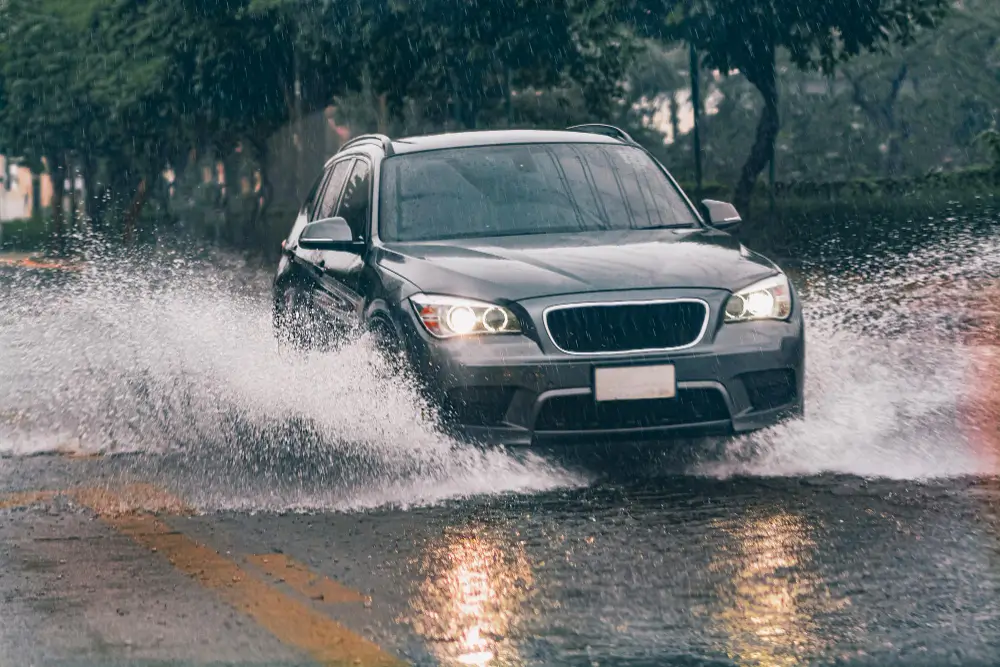
A window breaker and seatbelt cutter is a compact, inexpensive tool that gets recommended more often for drivers in flood-prone cities. Houston’s bayou system and low-lying roads can flood quickly during heavy rain, particularly between June and November during hurricane season. Having the ability to exit a submerged vehicle is a scenario that Houston drivers face more than drivers in most other U.S. cities.
Houston’s size also means that a breakdown in Katy, Pearland, Sugar Land, or The Woodlands can put you at a meaningful distance from immediate help. Being self-sufficient for 30 to 45 minutes is more important here than it might be in a more compact city, and your kit should reflect that.
A car emergency kit is designed to keep you safe and comfortable while you wait. It is not a replacement for professional roadside help, and knowing the difference between the two is part of being a prepared driver.
Some situations go beyond what any kit can resolve. A dead battery with no jump starter or cables available, a flat tire with no spare or a spare that cannot be safely changed in traffic, an overheating engine, running out of fuel, or any situation where the vehicle needs to be moved and cannot be driven safely are all calls for professional assistance.
Bliss Towing Services provides 24-hour roadside assistance for drivers in Houston and the surrounding communities, including Katy, Sugar Land, Pearland, and The Woodlands. If you find yourself in a situation that goes beyond what your kit can handle, you can reach us any time at 281-849-9991.
Building a car emergency kit is one of the highest-return preparations any driver can make. It takes less than an hour to put together, costs less than most people expect, and covers the majority of situations that leave drivers stranded on the side of the road.
The core items are a jump starter or cables, warning triangles, a first aid kit, a flashlight, a tire pressure gauge, a basic toolkit, and water. Add a power bank, a rain poncho, gloves, a notepad, and an emergency contact card for a more complete setup. Store everything in one accessible bag, check it every six months, and adjust for Houston’s heat and flooding risk.
For Houston drivers who want to know there is professional backup available when the situation calls for it, Bliss Towing Services is available 24 hours a day at 281-849-9991. We are here to help when your kit has done everything it can and you need someone to take it from there.